Common Issues With the Porsche Macan
What Owners Should Be Aware Of
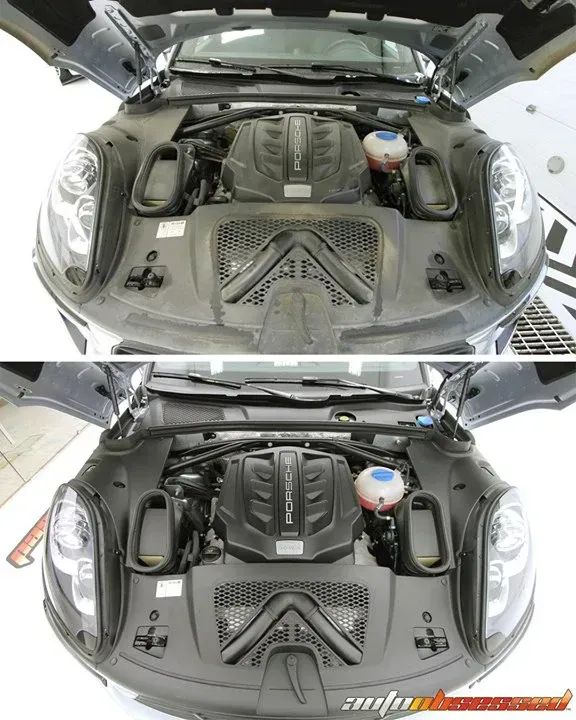
The Porsche Macan blends sports-car DNA with everyday SUV practicality. When properly maintained, it’s an excellent long-term vehicle. However, like any high-performance European car, the Macan has a few common problem areas owners should understand—especially as mileage increases. Being proactive can save thousands in repairs and keep the driving experience exactly how Porsche intended.
Below are the most common Porsche Macan issues we see, along with symptoms and preventive advice.
1. Oil Leaks (Timing Covers & Upper Engine Seals)
What happens:
Oil leaks are one of the most frequent Macan complaints, particularly from timing cover seals and upper engine gaskets.
Symptoms include:
- Burning oil smell after driving
- Oil spots under the vehicle
- Low oil warnings between services
Why it matters:
Left unaddressed, oil leaks can damage belts, mounts, and surrounding components. Catching them early prevents a much larger repair later.
Best practice:
Regular inspections during oil services are critical—especially once the vehicle passes 60,000 miles.
2. Transfer Case Failure (AWD System)
What happens:
Early-generation Macans are known for transfer case issues, often caused by internal wear or fluid contamination.
Symptoms include:
- Jerking or shuddering during acceleration
- Clunking noises at low speeds
- Binding when turning
Why it matters:
The transfer case is essential to the Macan’s all-wheel-drive performance. Ignoring early symptoms can result in complete failure.
Best practice:
Routine fluid services and addressing drivability concerns immediately can extend transfer case life significantly.
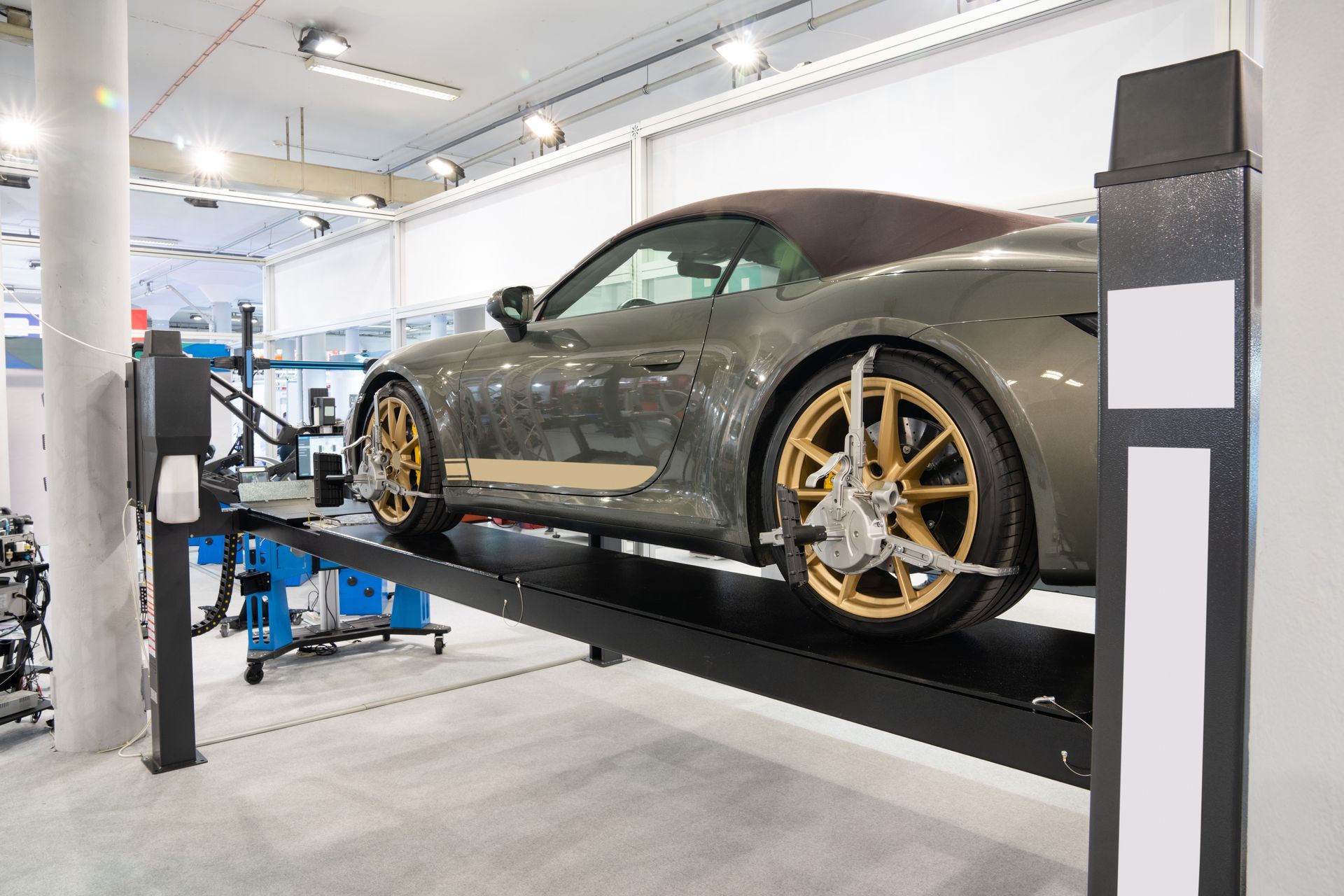
3. Suspension Wear & Ride Harshness
What happens:
Macans are heavy vehicles with sporty suspension tuning. Control arms, bushings, and air suspension components (if equipped) wear faster than in non-performance SUVs.
Symptoms include:
- Clunking over bumps
- Uneven tire wear
- Vehicle sitting unevenly
- Harsh or unstable ride
Why it matters:
Worn suspension affects safety, ride comfort, and tire life.
Best practice:
Annual suspension inspections and alignment checks are key—especially if the vehicle is driven aggressively or on poor roads.
4. PDK Transmission Service Neglect
What happens:
The Porsche PDK transmission is exceptional—but only if serviced correctly. Many owners mistakenly believe it’s “lifetime filled.”
Symptoms include:
- Rough shifting
- Delayed engagement
- Transmission warning messages
Why it matters:
Skipping PDK services can drastically shorten transmission life and lead to extremely expensive repairs.
Best practice:
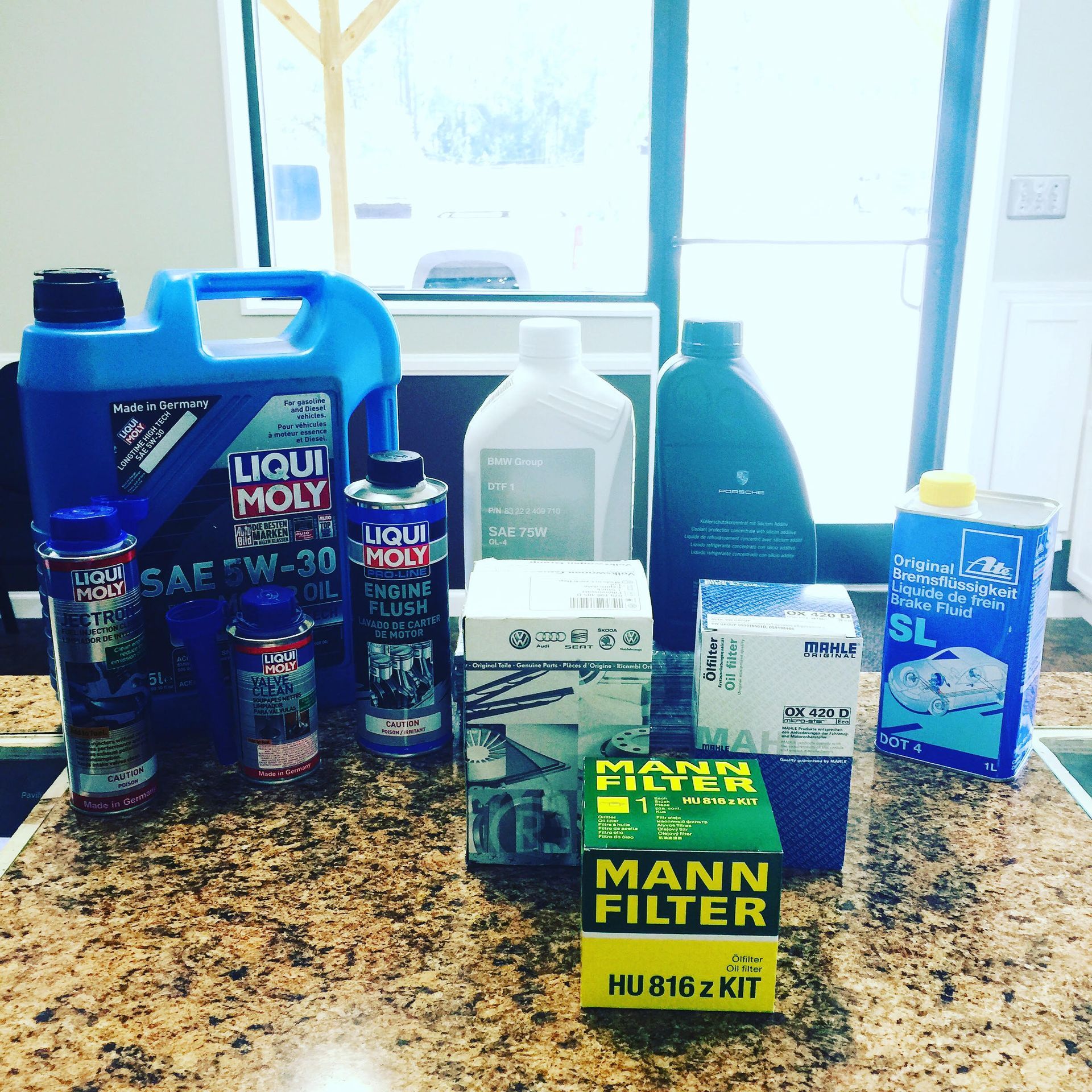
Follow a strict service interval for PDK fluid and filter changes, especially on higher-mileage vehicles.
5. Carbon Buildup (Direct Injection Engines)
What happens:
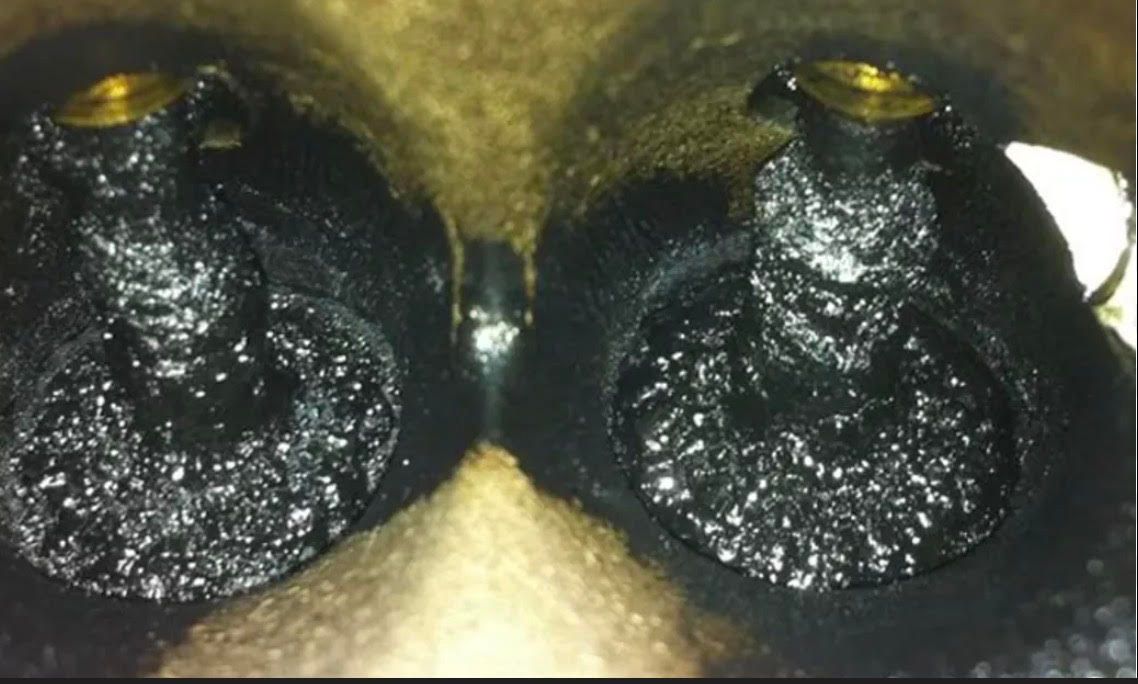
Like most modern direct-injection engines, Macans are prone to carbon buildup on intake valves.
Symptoms include:
- Rough idle
- Loss of power
- Poor fuel economy
- Check engine light
Why it matters:
Carbon buildup restricts airflow and reduces performance over time.
Best practice:
Walnut blasting or professional carbon cleaning restores performance and prevents long-term engine issues.
6. Cooling System & Plastic Components
What happens:
Plastic cooling pipes, expansion tanks, and fittings can become brittle with age and heat cycles.
Symptoms include:
- Coolant loss
- Overheating warnings
- Sweet coolant smell
Why it matters:
Cooling failures can quickly lead to engine overheating and severe damage.
Best practice:
Address coolant leaks immediately and consider preventive replacement of aging components.
Final Thoughts: Prevention Is Everything
The Porsche Macan is a phenomenal SUV when maintained properly—but it demands knowledgeable care. Most of these issues are manageable when caught early and serviced by technicians familiar with Porsche engineering.
Routine inspections, correct service intervals, and proactive maintenance are the difference between an enjoyable ownership experience and costly surprises.